
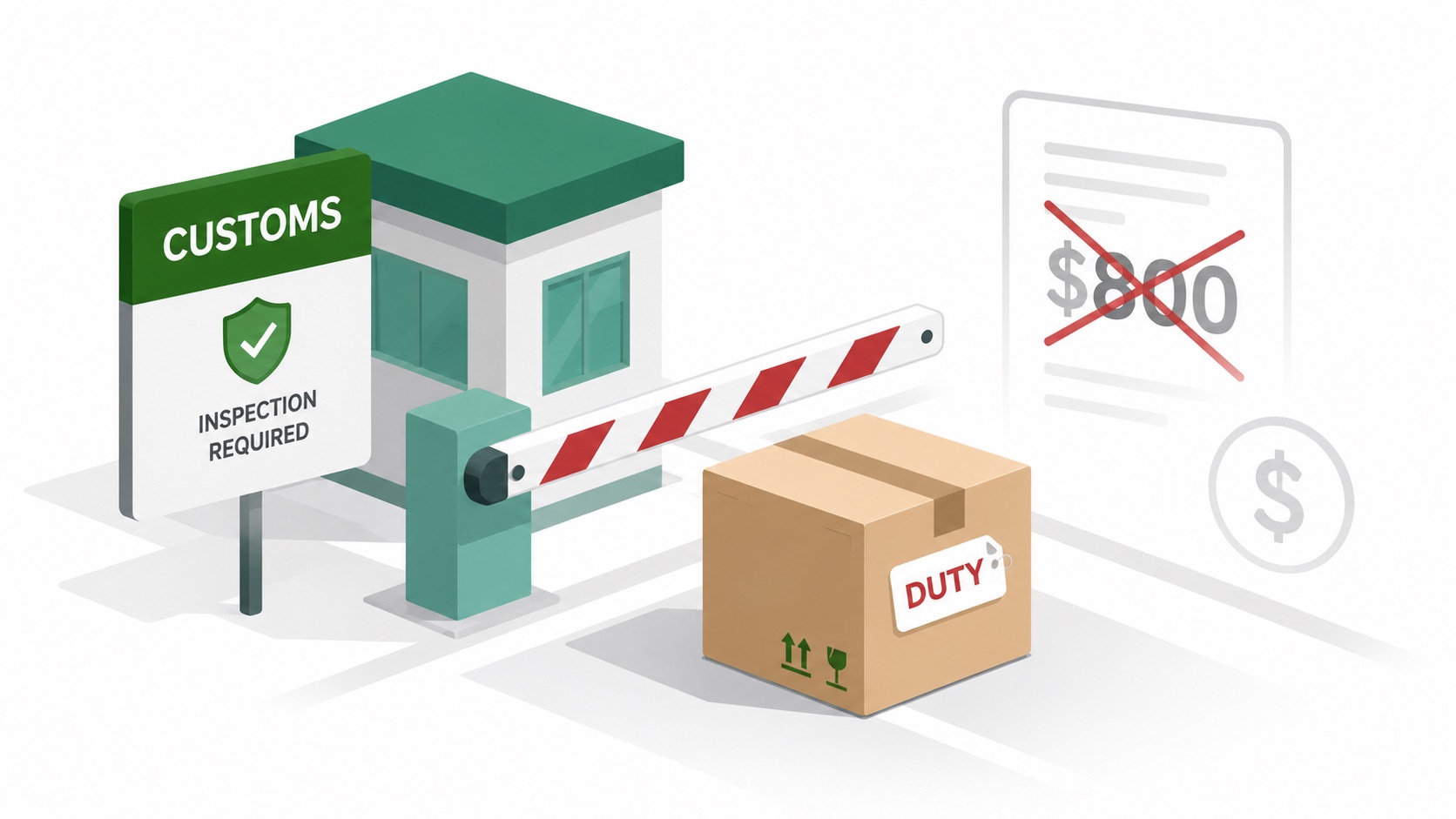
For most of the last decade, a low-value parcel was a customs non-event. Under de minimis rules, anything below a set value skipped duties and formal entry entirely. In the United States that ceiling was $800 — one of the highest in the world — and by 2024 roughly four million packages a day were riding through customs on it, duty-free and barely inspected.
That era is over. Through 2025 and 2026, the biggest import markets tore up their de minimis rules, and the change lands hardest on exactly the people who relied on it: small e-commerce sellers and cross-border dropshippers.
What de minimis was — and why it mattered
De minimis (Latin for "about the smallest things") is the value threshold below which a country waives import duty and formal customs entry. It exists because collecting a few dollars of duty on a cheap parcel costs more than the duty is worth. High thresholds made direct-to-consumer imports cheap and fast; they are also what let overseas marketplaces undercut domestic retailers on price.
The timeline
Three of the largest markets moved in quick succession:
- United States — May 2025: the $800 exemption was suspended for goods from China and Hong Kong.
- United States — 24 February 2026: the suspension was extended to every country. Now every parcel entering the US, regardless of value or origin, needs a formal entry with duties, fees, and brokerage applied.
- European Union — 1 July 2026: the €150 duty-free threshold is being removed, starting with a temporary flat customs charge of about €3 per item on parcels under €150 while the full system is phased in.
- United Kingdom — by 2029: the UK is consulting on phasing out its low-value relief over the next few years.
Why governments pulled the plug
The thresholds didn't disappear by accident. Three pressures had been building for years:
- Lost revenue. Over a billion parcels a year entering the US duty-free adds up to real money left on the table.
- Domestic retailers crying foul. Ultra-low-price overseas marketplaces could ship straight to consumers with no duty, undercutting shops that pay it on every bulk import.
- Inspection blind spots. Parcels that skip formal entry also skip most scrutiny. Regulators argued that a flood of uninspected packages was a safety and enforcement gap.
Whatever you make of the reasoning, the direction is set, and it's the same across the biggest markets: fewer free passes, more parcels treated like formal imports.
Who feels it most
Not everyone is hit equally. If you import in bulk and clear a container at a time, de minimis was never your world — nothing changes for you. The pain lands on the direct-to-consumer model:
- Dropshippers sending individual parcels straight from an overseas supplier to the customer.
- Ultra-low-price marketplaces built entirely on duty-free small parcels.
- Small brands importing samples and small test batches by courier.
And it isn't only a Western story. Australia scrapped its GST-free import threshold back in 2018, and country after country has been trimming or scrapping low-value relief since. The high-threshold, waved-through parcel is becoming the exception, not the rule.
The new math on a $50 parcel
Numbers make it concrete. Take a $50 product shipped to a US customer. Yesterday it cleared for $0 in duty. Today the same parcel might look like this:
- Duty at a typical 12% rate: about $6
- Customs brokerage: $15–$25
- Importer Security Filing and handling: $25–$50
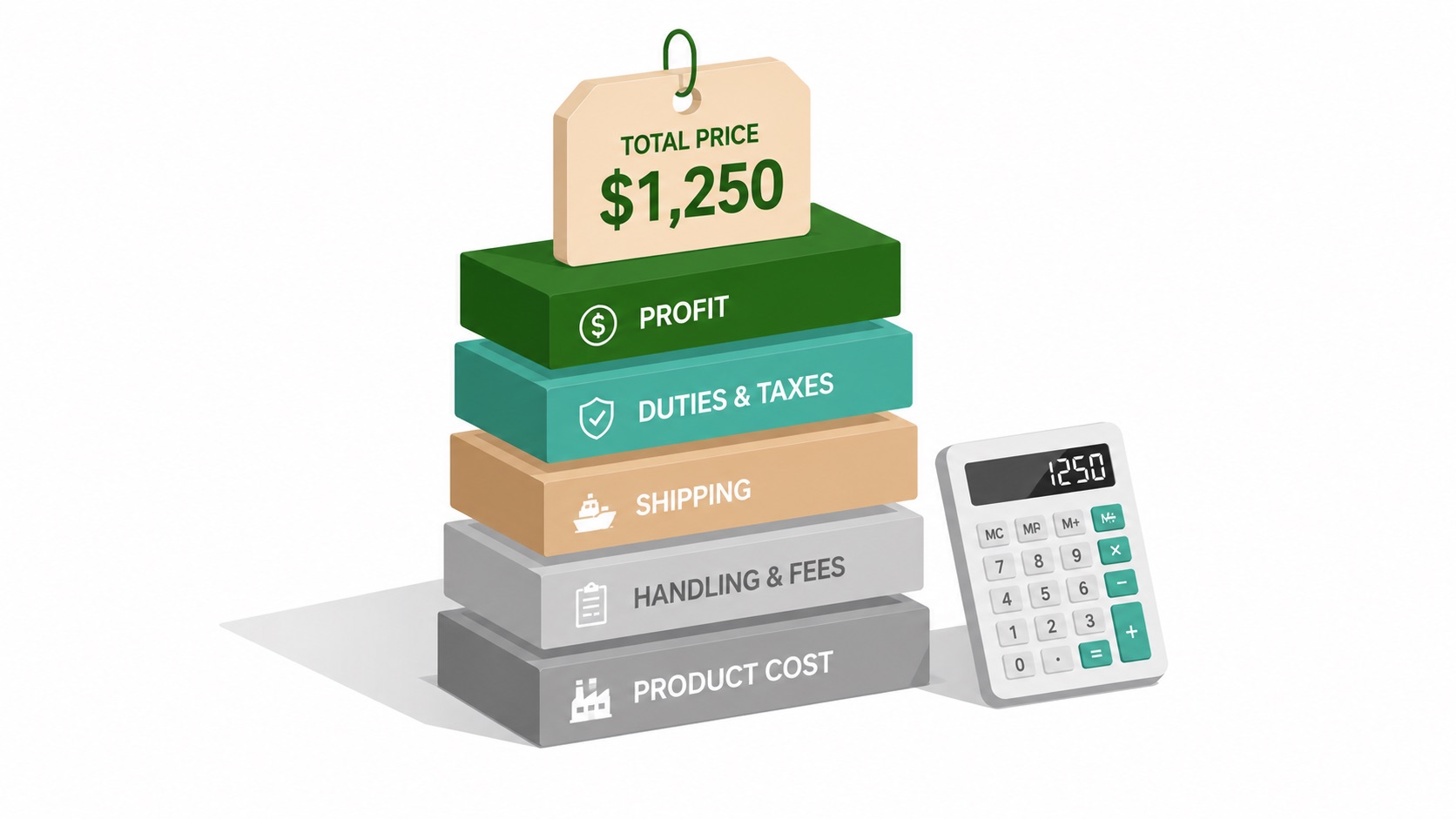
That's $46 to $106 of added cost on a $50 item — more than the product itself. Multiply across a catalogue of cheap SKUs and the entire margin structure of low-value cross-border retail stops working.
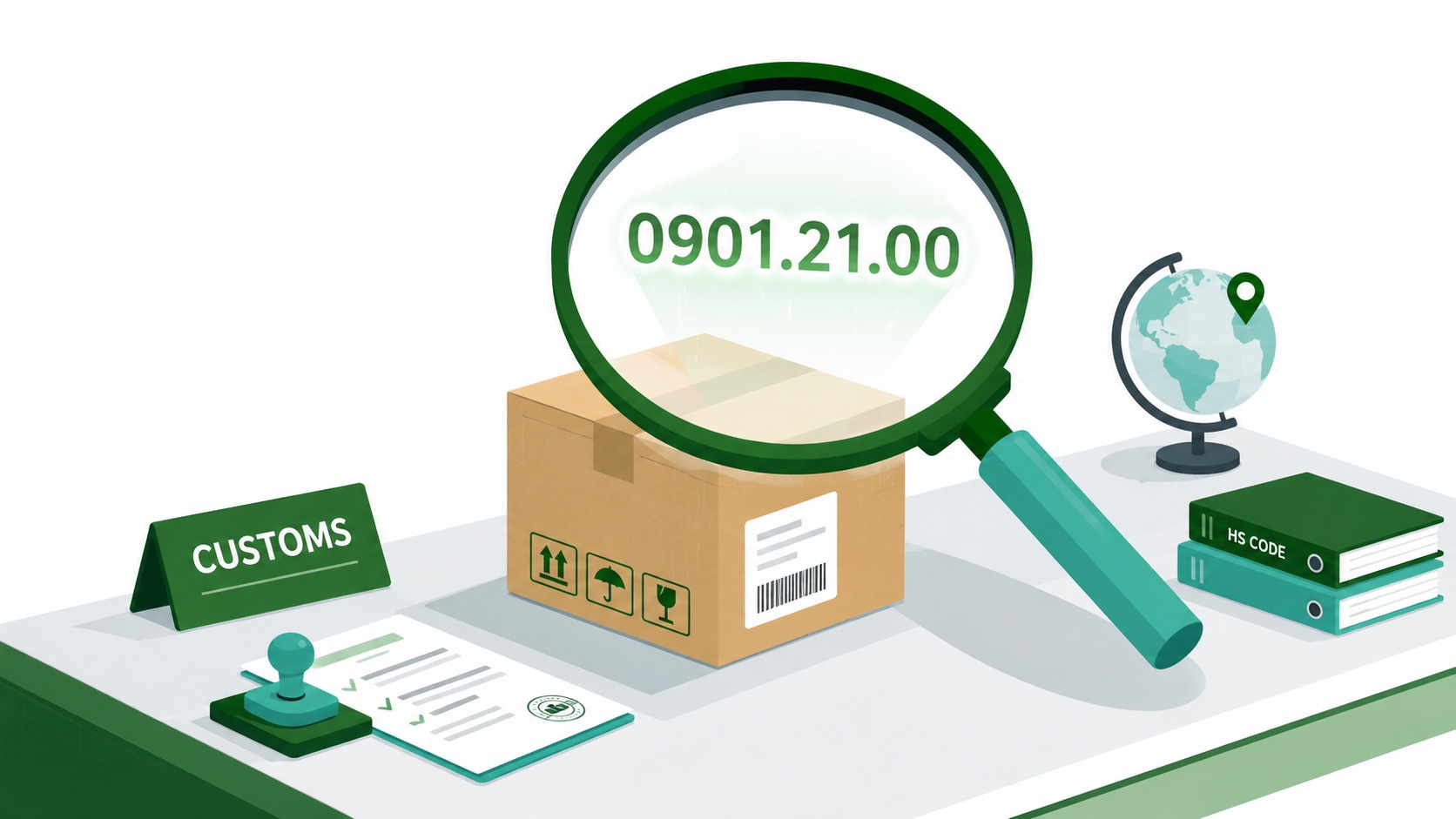
The exemption didn't just save duty. It saved the paperwork. The real shock for small sellers isn't the 12% — it's suddenly needing a formal entry, an HS code, and a broker for every single package.
What to do now
The parcels still move; they just cost more and need more documentation. A few practical moves:
- Reprice with the true landed cost. Duty, brokerage, and fees are now part of every order. Build them into the price before you lose money on volume.
- Classify everything properly. Formal entry means an accurate HS code for each product — no more waving parcels through.
- Consider bulk import plus local fulfilment. Shipping in bulk and clearing once, then fulfilling domestically, often beats clearing thousands of individual parcels.
- Talk to a broker early. If you've never filed a formal entry, you will be now — set that up before your next shipment, not after it's stuck.
- Watch the effective dates. The US, EU, and UK are on different timelines. A route that's fine this month may change next quarter, so check the rule for each corridor you ship.
The safest habit going forward is simple: never quote or price a cross-border order without running the real duty and tax first. The free ride is gone; the businesses that adjust their numbers fastest are the ones that stay profitable.