
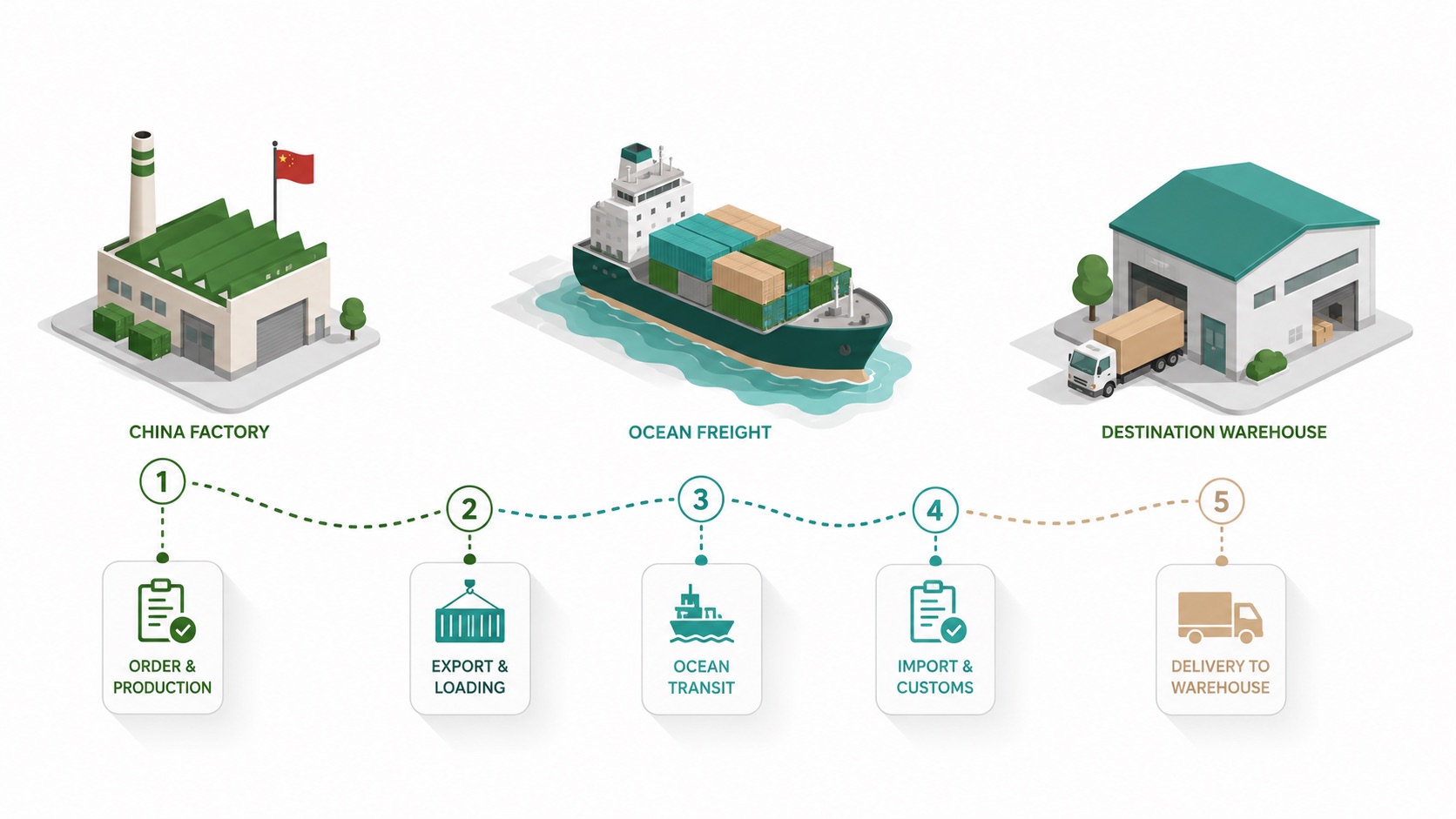
China is still where most physical products begin. The factories are there, the prices work, and the process is well-trodden. What separates a smooth import from an expensive one isn't luck — it's knowing what each phase demands before you're standing in it. This is the playbook, in the order you'll actually live it.
Phase 0 — Check it's even legal to sell
Before you fall in love with a product, make sure you can actually import and sell it. Many goods need to meet your market's rules before they clear customs or hit a shelf:
- Safety and conformity marks — CE or UKCA in Europe and the UK, FCC for electronics in the US, plus RoHS for hazardous substances.
- Category-specific rules — toys, cosmetics, food-contact items, and children's products all carry extra requirements.
- Intellectual property — importing anything with someone else's logo or patented design is a fast route to a seized shipment.
Ask the supplier for the relevant test reports up front. "We can add the CE mark" is not the same as "here is the test certificate" — and customs knows the difference.
Phase 1 — Find a supplier
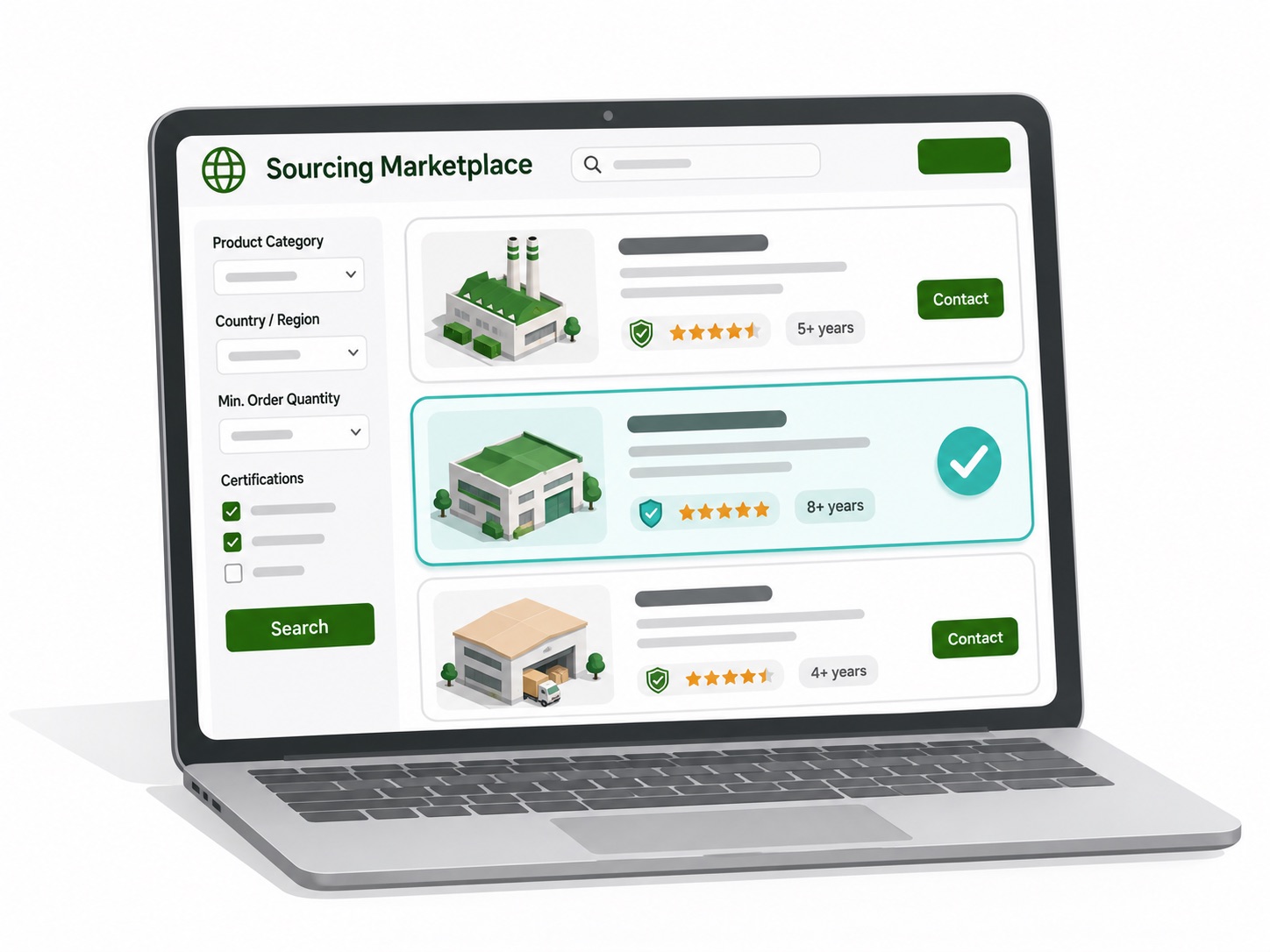
Start on the big marketplaces: Alibaba, Made-in-China, and Global Sources for general goods, or a sourcing agent if you want someone on the ground. Cast a wide net. Message ten suppliers, not one — you're comparing not just price but how they communicate, because you'll be relying on that for months.
Look past the lowest quote. A factory that answers questions clearly, sends real photos, and asks about your specs is worth more than one that just undercuts everyone.
Phase 2 — Vet before you trust
This is where money is saved or lost. Before you send a cent for a bulk order:
- Order a paid sample. Hold the actual product in your hands.
- Ask for a business licence and cross-check the company name.
- Request a short video call or factory walkthrough video.
- Search the company name plus "scam" or "review." Do the boring homework.
The most common first-timer mistake: wiring 100% upfront to a supplier you've only chatted with. Legitimate factories don't expect it, and you have zero leverage if the goods are wrong.
Phase 3 — Agree Incoterms and payment
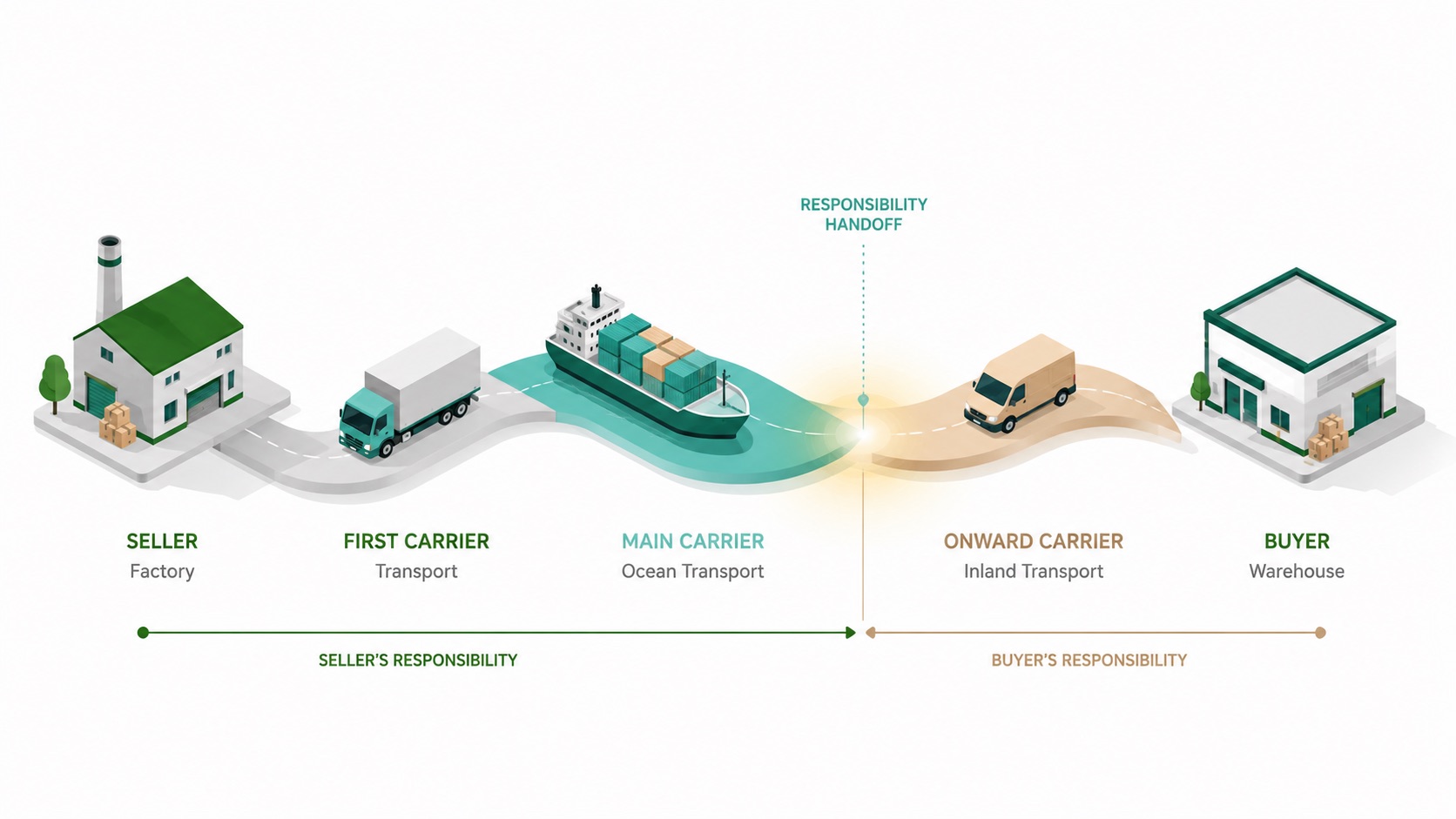
Nail down who is responsible for what, and where. For containers, FCA or FOB gives you control of the freight; DAP hands most of it to the supplier. If those terms are unfamiliar, our Incoterms 2020 guide breaks down all eleven.
On payment, the common structure is 30% deposit and 70% before shipment, ideally through a platform's trade-assurance escrow rather than a bare bank transfer. Never fund the full amount before you have proof the goods exist and match the sample.
Phase 4 — Know the duty before you order
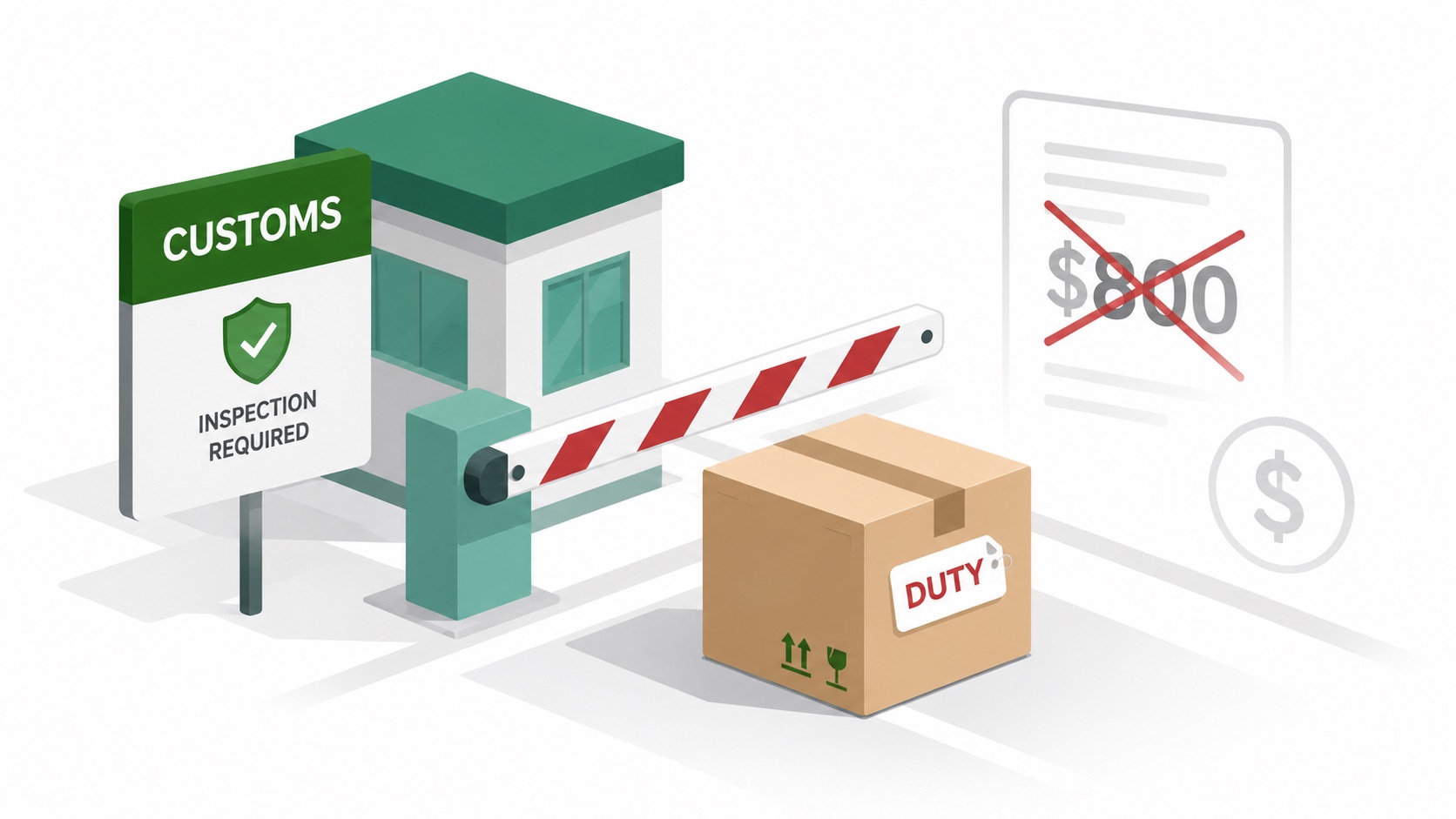
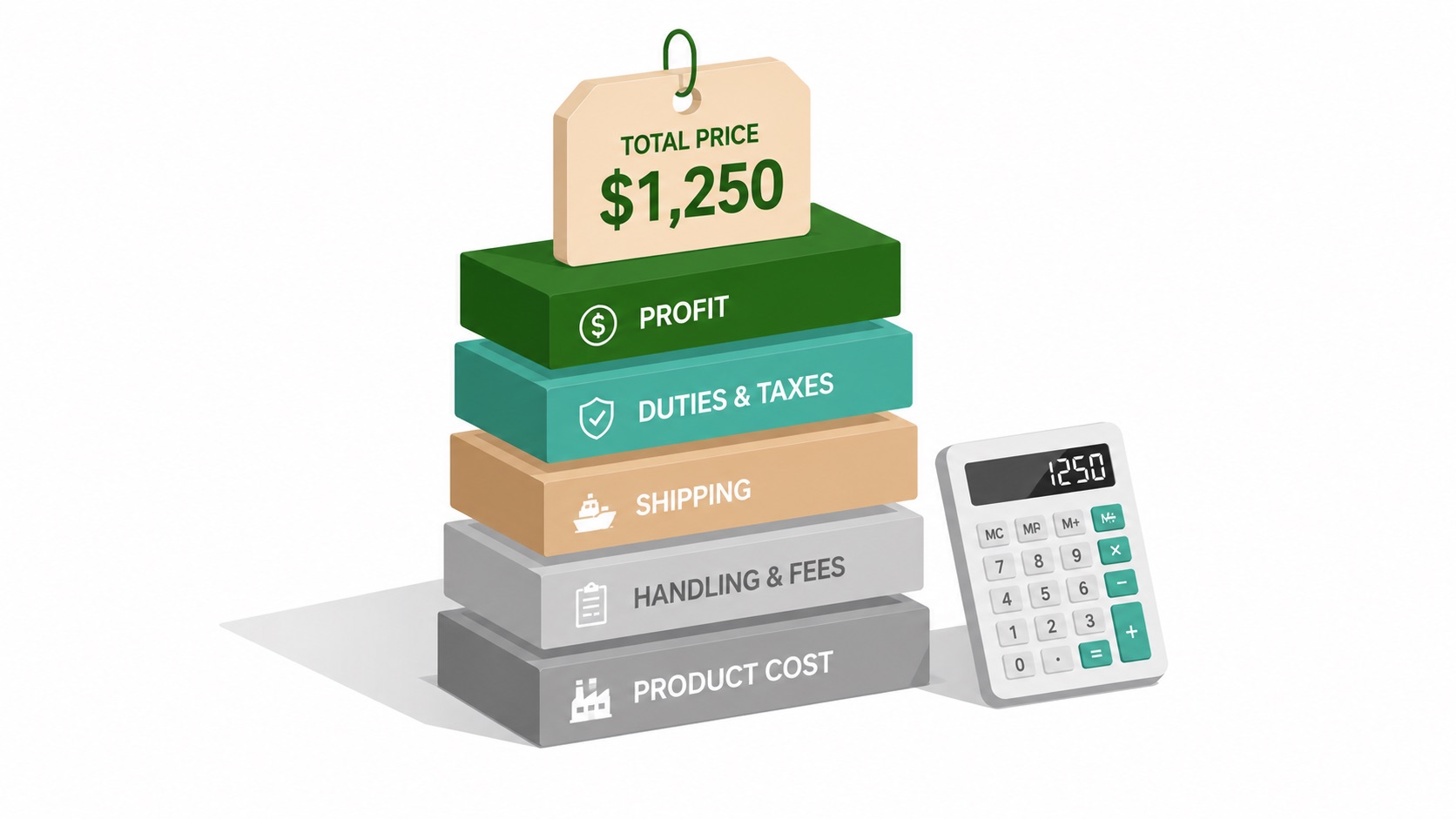
Before the goods ship, work out what they'll cost to bring in. Two numbers decide it: the HS code for your product, and the duty and VAT that code triggers in your country. Run the full landed cost now — product, freight, duty, tax, and fees — so there are no surprises at the border. A product that looked profitable at the factory price can quietly stop working once duty is added.
Phase 5 — Book the freight
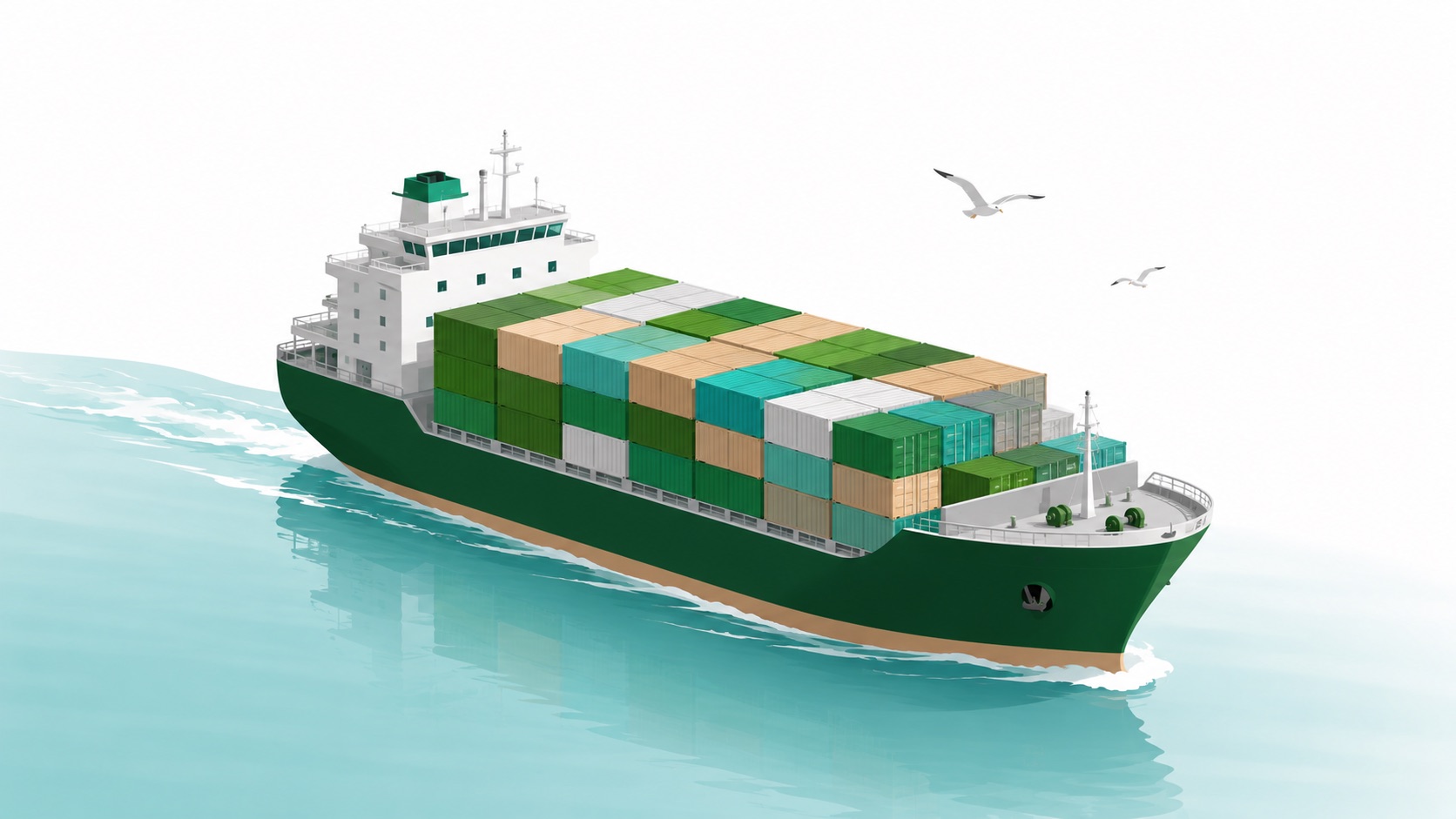
Two main options for ocean: FCL (a full container, best once you're filling most of one) and LCL (less than a container, you share space and pay by volume). Air freight is far faster and far pricier — reserve it for small, urgent, or high-value goods.
A freight forwarder arranges the whole chain — pickup, ocean leg, arrival — and is worth their fee on your first few shipments. Get an all-in quote and check what it excludes, because destination charges love to appear at the end.
One timing note that catches people out: don't let production finish right before a major Chinese holiday. Factories shut for Chinese New Year and Golden Week, freight rates spike around them, and a shipment that misses the window can sit idle for two or three weeks. Plan your order dates around the calendar, not just the lead time.
Phase 6 — Clear customs
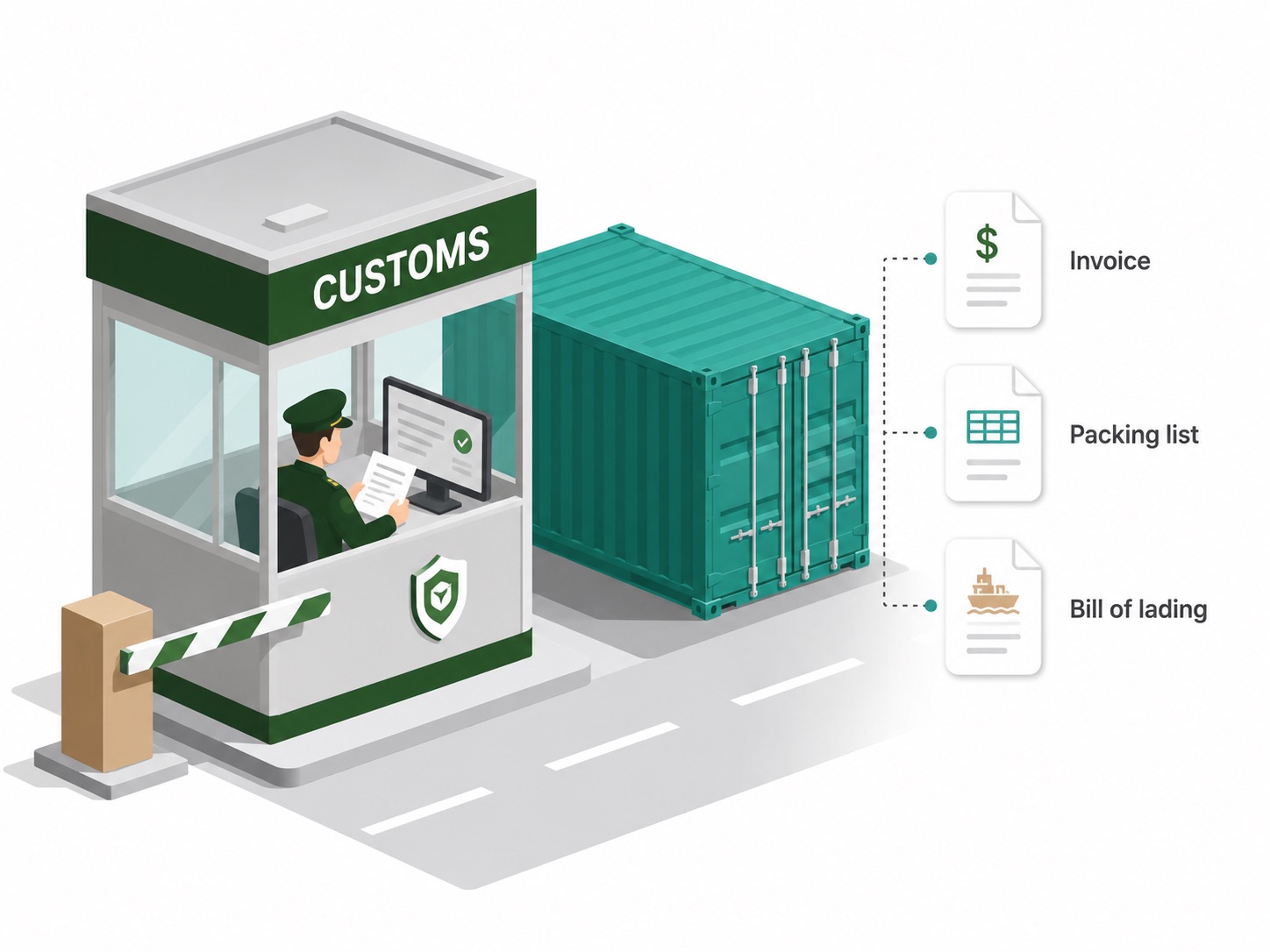
Your goods arrive and won't move until customs is satisfied. Three documents do most of the work:
- Commercial invoice — what the goods are and what they're worth.
- Packing list — how it's all boxed, with weights and dimensions.
- Bill of lading — the carrier's contract and title to the goods.
A customs broker files the entry, pays the duty on your behalf, and gets the shipment released. Errors here — a mismatched value, a wrong HS code — are what cause holds, so the accuracy you built in Phase 4 pays off now.
Phase 7 — Receive and inspect
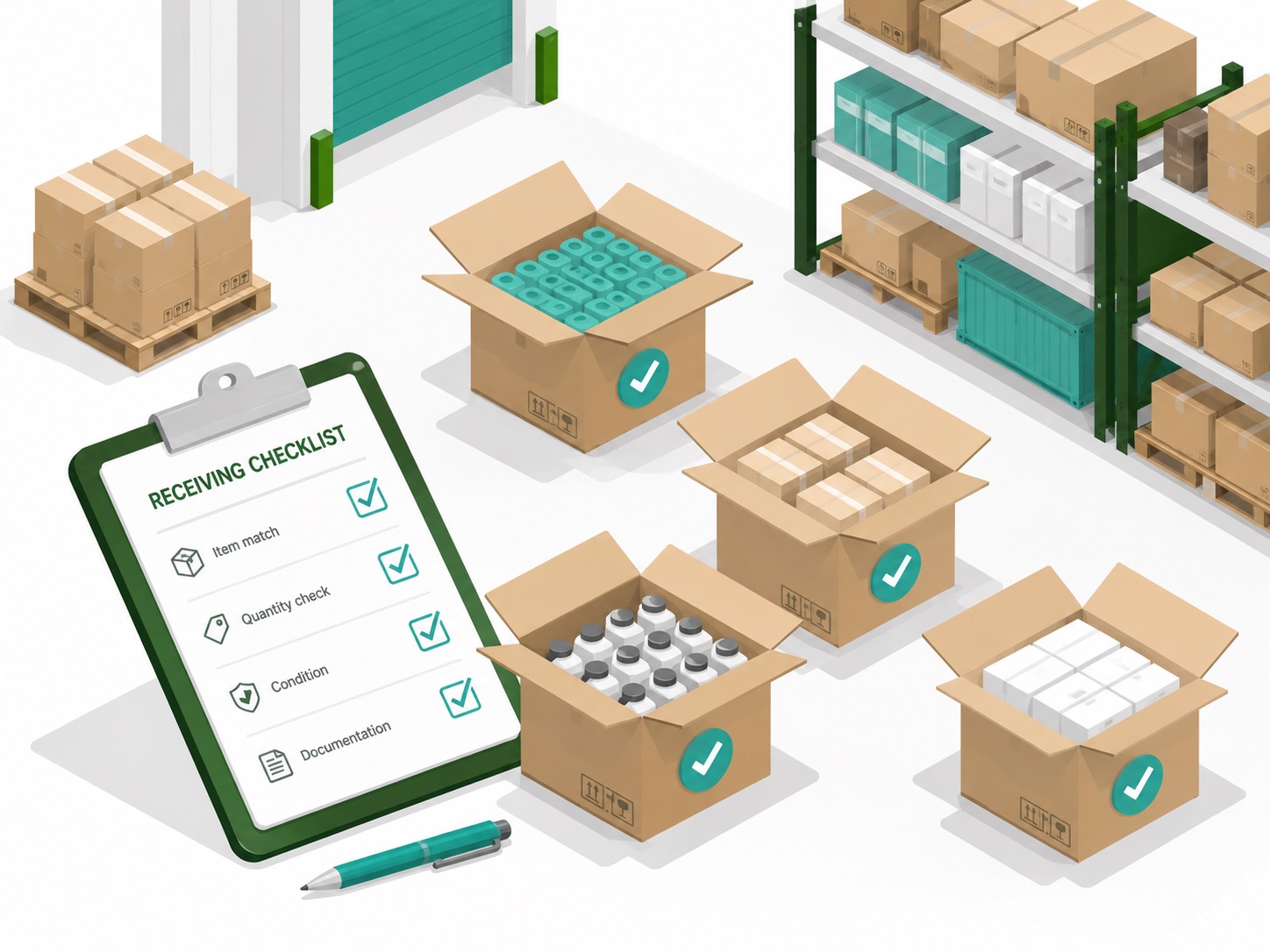
The container lands at your door. Don't sign it off blind. Count the cartons against the packing list, open a sample of boxes, and check quality before you confirm receipt. If something's wrong, document it with photos immediately — your leverage with the supplier disappears the moment you've accepted the goods and paid in full.
Do it once, then repeat
The first shipment feels like a lot because every phase is new. The second one won't — you'll reuse the same supplier, the same forwarder, the same HS codes and broker. Get the groundwork right once: vet hard, agree clear terms, know your landed cost, and check what arrives. That's the whole game.